By CKA Executive Leadership Team · Published August 11, 2026
Starting daycare or preschool is a big transition, for children and parents alike. A new classroom brings new teachers, new friends, new routines, and a new rhythm to the day. Some children jump right in, while others need more time to feel comfortable. Both are completely normal.
As families settle into new fall routines across Creative Kids Academy’s 13 Minnesota locations, here are a few simple ways to help your child feel more comfortable and confident, whether they’re starting child care for the first time, joining a new center, or transitioning to a new classroom.
Why the adjustment period looks the way it does
Separation anxiety is a normal, expected stage of early childhood development. Tears at drop-off don’t necessarily mean a child is unhappy at school or isn’t ready for child care. Often, they’re simply communicating that saying goodbye to someone they love is hard. The American Academy of Pediatrics notes that it typically peaks between 9 months and 3 years and fades as children build trust that a caregiver who leaves will reliably come back.
Over time, consistent routines help children learn what comes next: their grown-up says goodbye, they spend the day with teachers and friends, and their grown-up always comes back. That predictability can make a new routine feel safer and more familiar.
Five ways to make drop-off easier
- Keep goodbyes short and consistent. A predictable 3-step goodbye routine — hug, wave, “see you after afternoon snack” — lets your child know what to expect. Lingering or trying to sneak out can tend to make anxiety worse, not better.
- Practice before day one. If possible, visit the center together before your child’s start date. Seeing the classroom, meeting teachers, and exploring the environment can make everything feel a little more familiar when the big day arrives.
- Ask about a comfort item. Depending on your child’s age and classroom, a familiar comfort item may help with the transition. Talk with your child’s teacher about what can be brought from home and what works best within the classroom routine.
- Talk about school with confidence. Children take cues from the adults they trust. Simple, positive language in a calm, confident tone can help: “You’re going to school, I’ll go to work, and I’ll come back to pick you up this afternoon.” You don’t need to convince your child not to be sad — you can acknowledge their feelings while showing them that you’re confident in the routine.
- Give your child time to find their rhythm. There isn’t one “right” timeline for adjusting to child care. Some children feel comfortable quickly, while others take more time — and adjustment isn’t always a straight line. A child may have an easy first few days and struggle later, or have difficult drop-offs while still enjoying much of their day.
What matters most is consistency, communication, and giving your child time to build relationships and become familiar with their new routine.
How CKA supports new transitions
At Creative Kids Academy, we know that getting comfortable in a new classroom is about more than making it through drop-off. It’s about building relationships.
Our teachers take time to learn each child’s personality, interests, routines, and individual needs while helping them become familiar with the rhythm of their classroom. Consistent daily routines and our Learning Beyond Paper curriculum give children opportunities to learn, play, explore, and connect throughout the day, and that consistency carries through as they move up between age groups.
Families are an important part of that transition, too. Through conversations with your child’s teachers and updates in Procare, you’ll have a window into how your child is settling in beyond those few emotional moments at the classroom door.
And when children are ready to move into their next classroom at CKA, we work with families to help make that transition familiar and comfortable, too.
If you’re still choosing a child care or preschool program, find your nearest Creative Kids Academy location and schedule a tour. Visiting the classroom and meeting the people who will care for your child can make that first day feel a lot less unfamiliar.
If cost is part of what’s holding you back, Minnesota families may also qualify for help through the state’s Child Care Assistance Program (CCAP).
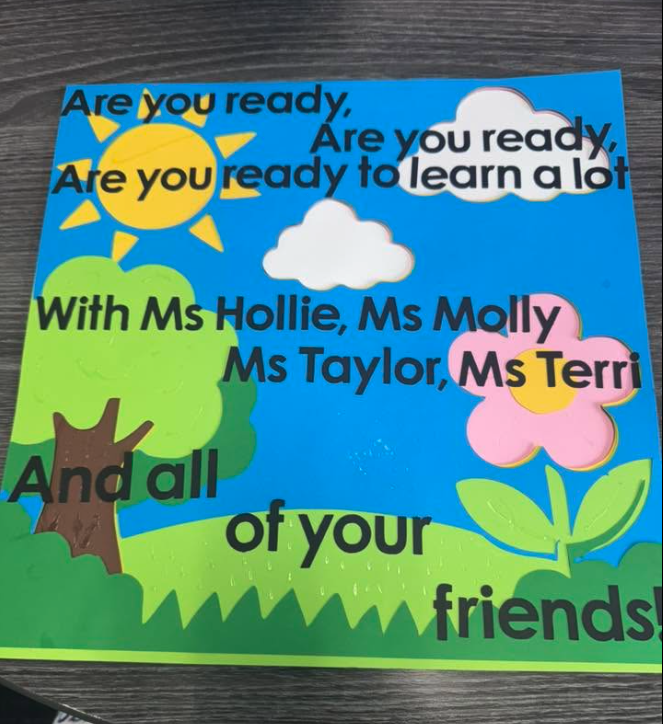
“We’re thankful for Ms Hollie, Ms Molly, Ms Taylor, and Ms Terri because of the care they’ve given our daughter. She’s our whole world, and we were so nervous sending her to daycare at such a young age — but it’s been clear since day one how much she enjoys being there. She lights up every morning when we sing our little song, ‘Ms. Hollie, Ms. Molly, Ms. Taylor, Ms. Terri,’ before drop-off.”
— CKA Centerville Family
Frequently Asked Questions
How long does it take a child to adjust to daycare or preschool?
Every child is different. Some children settle into a new routine quickly, while others need more time to become comfortable with new people, surroundings, and expectations. Consistent routines, positive goodbyes, and strong communication between families and teachers can all help support the transition.
Is it normal for my child to cry at drop-off?
Yes. Tears at drop-off can be a very normal response to separation, particularly for younger children. They don’t necessarily tell you how the rest of your child’s day will go. Your child’s teachers can help you understand how they’re doing after goodbye and as they become engaged in the classroom. Our Procare app helps you stay connected and see how the rest of your child’s day is going.
Should I stay if my child is upset at drop-off?
Generally, no. A warm, confident, and predictable goodbye is usually more helpful than stretching the goodbye out. Let your child’s teacher know what normally comforts them, say your goodbye, and allow the teacher to help them transition into the classroom routine.
What can I do before my child’s first day to help them adjust?
Visit the center together if possible, talk positively about the new routine, and tell your child what they can expect in simple, age-appropriate terms. You can also talk with their teacher about your child’s routines, interests, favorite activities, and what helps them feel comfortable. The more we know about your child, the better we can welcome them into their new classroom.